
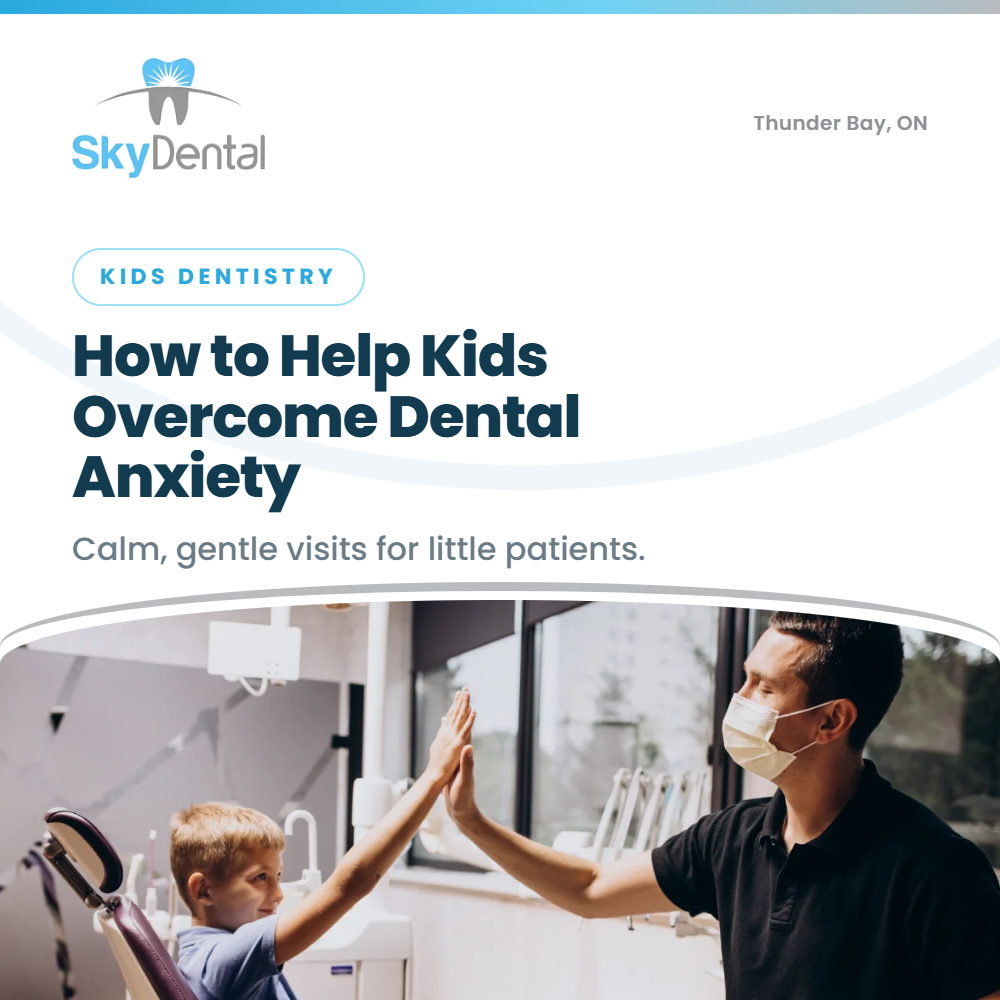
Dental anxiety in children is common and usually manageable. A 2020 systematic review estimated that about one in four children and teens experience dental anxiety, with higher rates in younger children. Starting visits early, using calm and neutral language, preparing children without overexplaining, and choosing a team that works at the child’s pace all help. This guide explains why children fear the dentist, signs to watch for, what parents can do before and during visits, how dental teams help, and when extra support may be needed.
How Common Is Dental Anxiety in Children?
A 2020 systematic review and meta-analysis of studies worldwide found a pooled dental anxiety prevalence of 23.9% in 3 to 18 year olds, with higher rates in preschool children (36.5%) and school-age children (25.8%) than in adolescents (13.3%). A 2024 meta-analysis focused on early childhood estimated that about 30% of 2 to 6 year olds experience dental fear and anxiety, and found higher risk in children who had never visited a dentist or who had cavities.
Dental anxiety is not a sign that something is wrong with your child. Dental offices are unusual places, with new sounds, smells, lights, and someone working in their mouth.
Why Do Children Develop Dental Anxiety?
Fear of the unknown
Children who have never been to the dentist have no idea what will happen. The chair moves, lights shine, and instruments go in their mouth. Unfamiliarity alone can be enough to cause worry, which is one reason early visits, before any treatment is needed, matter.
Previous difficult experiences
A painful or frightening visit, such as an emergency, can make a child expect the same next time. This kind of anxiety usually needs to be managed over several calm visits.
Sensory sensitivity
The sound of suction, the smell of dental materials, and the buzz of equipment can overwhelm children who are sensitive to sensory input, including some children with autism or sensory processing differences.
Anxiety picked up from others
Children read the adults around them. A parent who dreads the dentist, or a sibling who describes a scary visit, can pass that fear on, even without meaning to.
Cavities and pain
Children with cavities or toothaches may link the dentist with pain. Regular preventive visits help keep problems small.
Signs Your Child May Be Nervous About the Dentist
- Trouble sleeping the night before an appointment
- Crying or refusing to go when reminded
- Stomach aches or nausea on appointment day
- Going quiet or withdrawn when the dentist is mentioned
- Irritability in the days before a visit
- Repeated requests to cancel or reschedule
If your child shows these signs, tell the dental team before the appointment. That information changes how the visit is approached from the start.
Tips for Helping Kids Who Fear the Dentist
Start visits early
The Canadian Dental Association recommends a first dental assessment within six months of the first tooth or by 12 months of age. Early visits are short and focus on getting comfortable. A child who has visited many times before needing a filling has a very different starting point from one who only goes when something hurts.
Use positive, neutral language
Saying “it won’t hurt” introduces the idea of pain. Matter-of-fact phrases such as “the dentist is going to count your teeth” work better. Be warm, but avoid overdoing the enthusiasm; children can sense when adults are performing.
Keep your own experiences to yourself
If you have had difficult dental experiences, save those stories for adults. Your feelings are valid, but sharing them can shape how your child walks into the clinic.
Read books or watch videos together
Age-appropriate books and videos about dental visits help normalize the experience before your child arrives.
Choose the right time
Book appointments when your child is usually rested and calm. For many young children, mornings work better than late afternoons.
Bring a comfort item
A favourite toy or blanket gives an anxious child something familiar to hold.
Practise at home
Play “dentist” with a toothbrush and a mirror, counting each other’s teeth. This makes the real visit feel familiar.
What Should Parents Avoid Before a Dental Visit?
- Pain words. Avoid “needle,” “shot,” “drill,” and “hurt,” even as reassurance.
- Threats. “If you don’t brush, the dentist will drill your teeth” teaches children to fear dental care.
- Overexplaining. Too much detail often increases anxiety. Keep the conversation brief and upbeat.
- Showing your own nerves. Children pick up on tone and body language.
- Promises you cannot keep. “Nothing will happen” can backfire if treatment is needed.
- Bribes for “being brave.” Praise cooperation afterward instead of framing the visit as something to endure.
How Dental Teams Help Reduce Dental Anxiety in Children
Tell-show-do
The team explains what they will do, shows it on a model or finger, and then does it, so nothing happens by surprise.
Child-paced visits
An anxious child does not need a full cleaning on the first visit. Sometimes sitting in the chair and counting teeth is enough. Building trust gradually avoids creating a difficult memory.
Positive reinforcement
Genuine praise for small steps, such as sitting in the chair, builds positive associations over time.
Distraction
Music, a ceiling to look at, or simple counting games can help children cope during treatment.
Continuity
Seeing the same dentist and hygienist across visits makes the clinic more familiar.
How Sky Dental Centre Approaches Anxious Children
- We ask about anxiety before the appointment. Questions about past experiences and fears help the team plan the visit.
- We work at the child’s pace. A partial visit that ends calmly is more useful than a complete visit that ends in distress.
- We aim for continuity. Seeing the same team helps children feel familiar with the clinic.
- We give parents guidance for home. You leave knowing how to prepare for the next visit.
Sky Dental Centre accepts new patients of all ages, including children who are anxious or have had difficult experiences elsewhere.
What If My Child Cries During the Appointment?
Crying is normal, especially for young children. The team may pause, try a different approach, or end the visit early and try again another day. A calm ending, even if less was done, helps the next visit go better.
When Does Dental Anxiety Need Extra Support?
Severe fear or panic
If a child consistently panics or becomes extremely distressed, routine techniques may not be enough. A referral to a paediatric dentist, a dental specialist with additional training in treating children, may be the right next step.
Children with special needs or sensory differences
Children with autism, ADHD, sensory processing differences, or developmental conditions may need accommodations such as quieter appointment times, longer visits, or visual schedules. Talk to the team about what is possible, and ask whether a referral would serve your child better.
Sedation
For some children, nitrous oxide or other sedation may be considered so necessary treatment can be completed safely. This is a clinical decision based on your child’s health, age, and treatment needs, and it is not a routine first step. Your dentist will discuss whether it is appropriate and, if needed, refer to a provider who offers it.
Benefits of Positive Early Dental Experiences
- Lifelong habits: children who feel comfortable at the dentist are more likely to keep up regular visits as teens and adults.
- Less avoidance later: positive early visits may reduce the chance of dental fear carrying into adulthood.
- Earlier detection: regular visits catch cavities and bite problems while they are small.
- Easier preventive care: cleanings, fluoride, and sealants are simpler when a child is relaxed.
Helping Your Child Between Visits
Good home care reduces the chance of cavities, which in turn reduces the chance of uncomfortable treatment. Brush twice a day with fluoride toothpaste, help young children brush until they can do it well, start cleaning between teeth once they touch, and offer water instead of sugary drinks. The Public Health Agency of Canada has more tips on caring for teeth and mouth.
Dental Anxiety in Teens
Teens can also be anxious, especially after a difficult experience or if they feel self-conscious about their teeth. Give teens more control: let them book or confirm their own appointments, speak directly with the dentist, and agree on a stop signal. Respect their privacy, and let them decide whether a parent comes into the room.
Talking to Your Child After the Visit
Ask what went well, praise specific things they did, such as opening wide or sitting still, and plan something calm afterward. Avoid focusing on anything that was hard. If your child had a difficult moment, acknowledge it simply and talk about what might help next time.
Helping Kids Who Fear the Dentist: A Quick Checklist
- Book the visit at a calm time of day
- Tell the team about any fears in advance
- Read a book or play “dentist” at home
- Use neutral words and avoid pain language
- Bring a comfort item
- Praise specific cooperation afterward
Dental Anxiety in Children: The Bottom Line
Most children’s dental anxiety improves with early visits, calm preparation, and a dental team that works at the child’s pace. Parents play a big role through the words they use, the stories they share, and the routines they build at home. If anxiety is severe or your child has special needs, extra support or a referral can help your child get the care they need.
Choosing a Dental Team for an Anxious Child
Look for a team that asks about your child’s fears before the visit, explains each step in simple words, is willing to pause or shorten visits, and gives you clear advice for home. Ask whether your child can see the same dentist and hygienist each time, and whether you can stay in the room. A good fit matters more than any single technique.
Preparing Siblings Together
If you have more than one child, booking siblings back to back can help a nervous child watch a calmer sibling go first. Ask the office whether this is possible, and let each child know what to expect in simple terms.
When Your Own Dental Anxiety Gets in the Way
If you feel anxious about the dentist yourself, consider asking another calm adult to bring your child, or tell the team so they can support you both. Your child benefits from seeing an adult who feels relaxed.
Key Takeaways
- Dental anxiety in children is common, affecting about one in four children and teens worldwide.
- Early, routine visits help children see the dentist as normal.
- Calm, neutral language works better than reassurance about pain.
- Dental teams use tell-show-do, pacing, and positive reinforcement.
- Severe anxiety or special needs may need extra support or referral.
Frequently Asked Questions
Is dental anxiety common in children?
Yes. A 2020 review estimated about 24% of children and teens experience dental anxiety, with higher rates in younger children.
At what age should my child first see a dentist?
By age one, or within six months of the first tooth appearing, as recommended by the Canadian Dental Association.
How can I prepare my child for a dental visit?
Use neutral language, avoid pain words, read a book about the dentist together, and tell the team in advance if your child is nervous.
What if my child cries during the appointment?
Crying is normal. The team can pause, adjust, or try again another day so the visit ends calmly.
When should I ask about a referral?
If your child panics consistently, has special needs, or needs treatment they cannot tolerate, ask about a referral to a paediatric dentist.
Book a Gentle First Visit
If your child is nervous about the dentist, book an appointment online or through our contact page, and let us know about their worries in advance. Sky Dental Centre, 2817 Arthur St E in Thunder Bay, welcomes new patients of all ages. Read more about family dentistry for every age and your first visit.
*This article is general information, not dental advice for your situation.*